Canada / Guest Article
How Tech Drives Hospitality Sustainability
Explore how hotel technology, AI, smart energy systems, and operational data help hotels reduce waste, improve efficiency, and build sustainable operations.
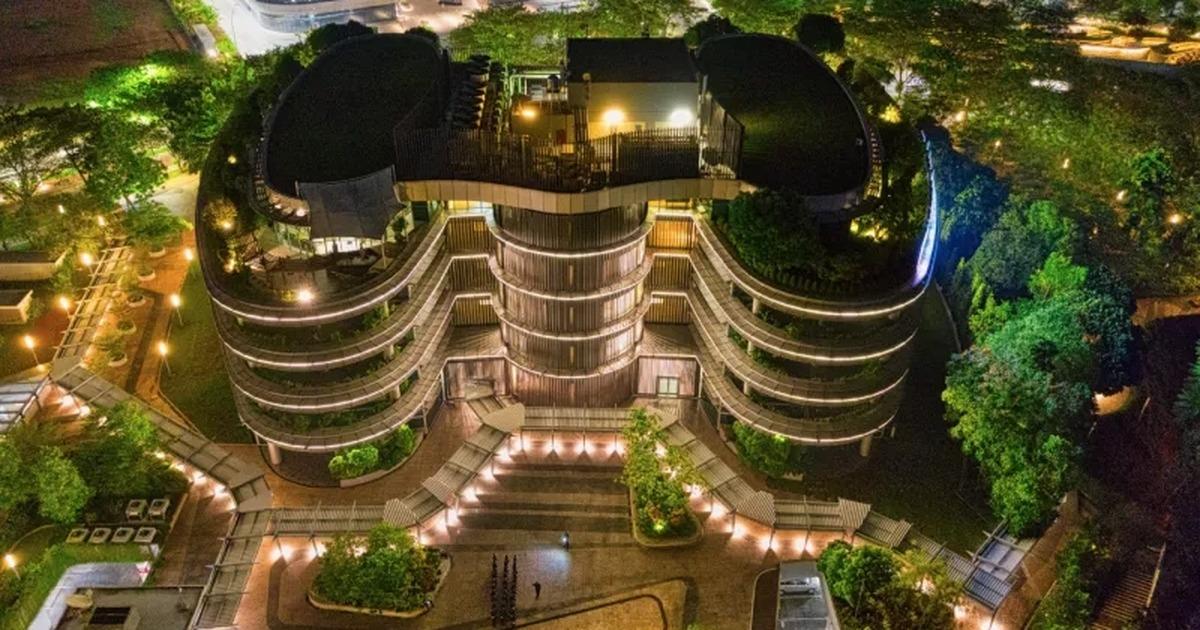
Photo: HotelNext
Quick definition
hospitality sustainability technology helps hotel teams connect technology, operations, guest experience, revenue, and staff adoption into a clearer hospitality strategy.
Sustainability Has Become an Operating Requirement
Hospitality is entering a new operating era. Sustainability is no longer a soft brand promise placed in a brochure or a line in an annual report. For hotels, resorts, and multi-property groups, it is becoming a daily business requirement shaped by energy costs, guest expectations, labor pressure, ESG reporting, and the need to run leaner operations.
That is where hospitality sustainability technology becomes important. Technology is no longer only helping hotels manage reservations, payments, and guest communication. It is now influencing how efficiently a property consumes energy, manages water, prevents waste, schedules teams, maintains equipment, and measures progress.
In practical terms, sustainability has moved from the marketing department into the engine room of hotel operations.
Guests Notice More Than the Room Design
Hotel buildings consume significant energy and water, and utilities remain one of the most visible operating costs for many properties. At the same time, travelers are becoming more aware of environmental impact. Guests may not understand every system behind the scenes, but they notice digital convenience, paperless service, smart room controls, responsible sourcing, and whether a hotel appears serious about sustainability.
Booking.com sustainability research has reported that more than 75 percent of travelers want to travel more sustainably. That number matters, but the operational reality matters even more. Hotels are being asked to reduce waste, protect margins, improve comfort, and prove that their sustainability efforts are more than a slogan.
Visibility Is Where Sustainable Operations Start
After working across luxury hotels, resorts, and multi-property hospitality environments, I have learned that the strongest sustainability gains often come from better visibility. Before a hotel can reduce waste, it must understand where waste is happening. Before a property can control energy, it must see how energy is being used. Before leaders can improve performance, they need systems that turn daily operations into usable information.
This is the real shift: sustainable hospitality is becoming data-driven hospitality.
Years ago, many hotel teams relied on printed reports, manual checklists, reactive maintenance, and disconnected systems. If energy was being wasted in unoccupied spaces, if equipment was running harder than necessary, or if food production was misaligned with demand, the issue was often discovered late, if it was discovered at all.
Smart Systems Turn Sustainability Into Daily Action
Today, smart hospitality technology allows operators to see patterns earlier. Energy management platforms can monitor consumption in real time. Building systems can adjust lighting and climate based on occupancy. Predictive analytics can help kitchens reduce overproduction. Housekeeping tools can align labor with actual room status. AI-supported forecasting can improve staffing, inventory, and purchasing decisions.
These are not futuristic ideas. They are practical operating tools that can reduce cost and environmental impact at the same time.
Research across the hospitality technology sector often estimates that smart energy management systems can reduce hotel energy consumption by 20 to 30 percent, depending on infrastructure, property type, and adoption discipline. The lesson is not simply that technology can make a hotel greener. The lesson is that sustainability and profitability can support each other when the right systems are implemented with purpose.
Sustainability Does Not Always Require a Major Renovation
One misconception I often see is the belief that sustainability requires only large capital projects: major renovations, new buildings, expensive equipment, or complete infrastructure replacement. Those investments can matter, but they are not the only path.
Some of the most meaningful improvements begin with operational clarity. Better system integration can reduce duplicated work. Digital workflows can cut paper dependency. Preventive maintenance can reduce emergency failures and hardware waste. Network and system optimization can make departments work with less friction. Smarter monitoring can reveal equipment that runs when it should not.
In many hotels, sustainability starts with a simple question: what are we not seeing today that is costing us money, time, energy, or guest satisfaction?
AI Is Quietly Reshaping Sustainable Hospitality
AI is also becoming part of this conversation, but not only in the way most people imagine. In hospitality, AI is often discussed through chatbots, personalization, or guest messaging. Those use cases matter, but the deeper opportunity may be operational.
AI can help hotels predict occupancy, understand demand patterns, optimize staffing, reduce energy use during low-occupancy periods, improve inventory forecasting, flag maintenance risks, and identify waste before it becomes expensive. Used responsibly, AI can help leaders make faster decisions without asking teams to manually interpret every signal.
This is what I call intelligent sustainability. It is not about making hospitality restrictive, cold, or automated for the sake of efficiency. It is about using technology to remove waste while protecting the warmth and responsiveness that guests expect.
The Guest Experience Still Comes First
That balance is critical. Hospitality cannot sacrifice guest experience in the name of sustainability. A guest should not feel that comfort, service, or personalization has been reduced. Ideally, the guest simply experiences a smoother stay: faster service, better room comfort, fewer delays, more relevant communication, and a property that feels modern and responsible.
Behind that experience, technology is doing the heavy lifting. It is coordinating systems, informing teams, reducing manual work, and helping leaders make better decisions.
The human side still matters. In fact, it matters more. Technology should not replace the essence of hospitality. It should give people better tools so they can spend less time fighting operational friction and more time creating meaningful guest connections.
Leadership Determines Whether Technology Works
The hotels that benefit most from sustainability technology are usually not the ones that buy the most software. They are the ones that connect technology to a clear operating strategy. They know what problem they are solving, who owns the process, how success will be measured, and how teams will adopt the change.
Technology alone is never enough. Successful digital sustainability transformation requires leadership alignment, department collaboration, training, long-term thinking, and the discipline to simplify rather than overcomplicate operations.
I have seen strong platforms underperform because the organization was not aligned around the process. I have also seen simple tools create meaningful progress because leadership understood the bigger picture and teams were supported through the change.
The Future Is Purposeful Technology
The future of sustainable hospitality will belong to organizations that combine technology, operational intelligence, sustainability, and human-centered service. Not as separate initiatives. As one connected strategy.
Hospitality is changing quickly. Guests are more aware. Costs are rising. Infrastructure is aging. Regulations are increasing. Teams are stretched. These pressures are real, but they also create an opportunity for hotels to operate with more intention.
Technology is helping redefine what responsible hospitality looks like. The winners in the next decade will not necessarily be the properties with the most advanced systems. They will be the hotels that use technology with purpose.
To operate smarter. To waste less. To empower teams. To improve guest experience. And to build a more sustainable future for hospitality without losing the human service that makes this industry special.
How hotel teams can use this insight
- Create a baseline for energy, water, waste, maintenance, and procurement data before choosing new systems.
- Prioritize technology that gives operators real-time visibility into consumption and preventable waste.
- Train department leaders to act on sustainability alerts without reducing guest comfort or service quality.
- Measure cost savings, resource reduction, guest feedback, and ESG reporting value every month.
Practical comparison for hotel leaders
| Decision area | This article | Related hotel strategy |
|---|---|---|
| Primary focus | Sustainability | General hospitality operations |
| Best audience | Canada hotel leaders and vendors | Owners, operators, and consultants |
| Decision lens | Efficiency, guest experience, revenue, and adoption | Cost, risk, staffing, and service quality |
FAQ
What does hospitality sustainability technology mean for hotel leaders?
hospitality sustainability technology refers to practical hospitality insight, operating models, market signals, and technology decisions that help hotel teams improve performance, guest experience, and long-term competitiveness.
Why does hospitality sustainability technology matter for hotels?
It matters because hotel leaders need clearer systems, stronger team adoption, better guest journeys, and measurable operating results across Canada and global hospitality markets.
Who should read this HotelNext article?
This article is useful for hotel owners, operators, general managers, consultants, technology vendors, revenue leaders, and hospitality teams researching sustainability.
More HotelNext insight on Sustainability
This HotelNext article is part of our wider coverage of hospitality technology, hotel operations, guest experience, AI adoption, revenue strategy, and regional hotel market trends. Explore the internal links below to continue researching practical hospitality insights for Canada and global hotel markets.
Part of this guide
How Tech Drives Hospitality Sustainability belongs to the HotelNext Sustainable Hospitality hub
Continue through our connected hospitality technology knowledge hub. These links help readers move from this article into related pillar pages, sibling topics, supporting guides, and practical resources.
Parent Pillar
Sustainable HospitalityRelated Reading

About the writer
Abdellah Aitibour
Hospitality Technology Leader, TEDx Speaker and Hospitality Tech Writer
Vancouver, Canada
Abdellah Aitibour is a hospitality technology leader, TEDx speaker, and hospitality tech writer based in Vancouver, Canada. He writes about sustainable hospitality, smart operations, hotel infrastructure, AI adoption, and the role technology plays in building more efficient and human-centered hotel experiences.
Author pageLinkedIn profileRelated articles

How Hotels Can Reduce Waste With Better Operational Data
sustainable hospitality insight for Global hotel leaders, with practical ideas for operations, guest experience, revenue, and technology decisions.

Why Hotel Technology Strategy Needs an Operations Lens
sustainable hospitality insight for Canada hotel leaders, with practical ideas for operations, guest experience, revenue, and technology decisions.